Tow hook
Pulls trolleys and carts, including the ones you already use. Good for trains of carts in hospitals and factories.

Automated guided vehicles
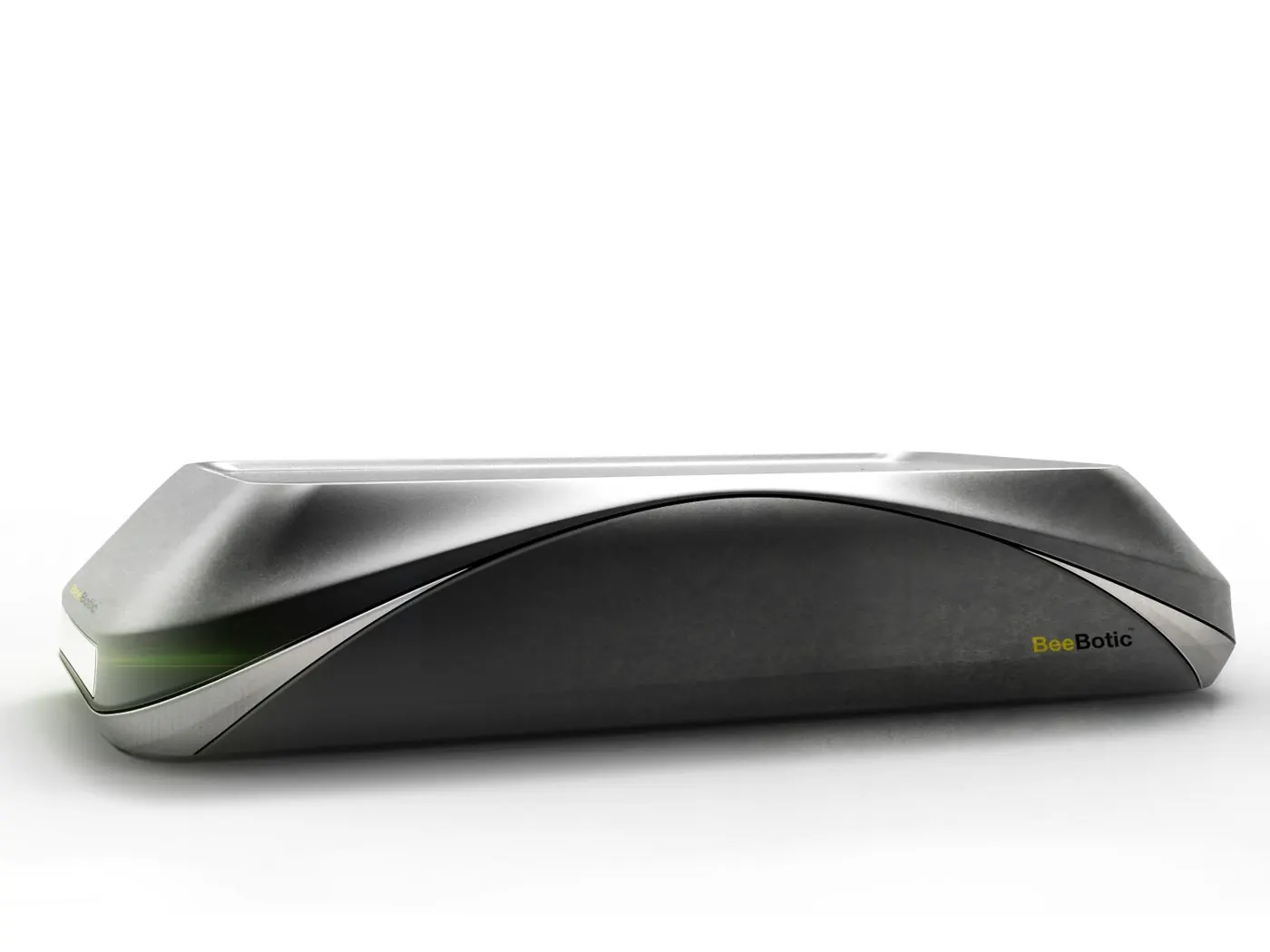
An automated guided vehicle (AGV) is a driverless robot that carries or tows loads along a fixed route. BeeBotic AGVs share one modular base: fit the attachment the job needs, lay a magnetic tape route, and the AGV runs around the clock with almost no supervision.
Attachments
The base stays the same. The top module changes with the load.
Pulls trolleys and carts, including the ones you already use. Good for trains of carts in hospitals and factories.
Raises the load to the height of a rack, shelf or workstation for hand-off.
A mobile base for a robot arm that picks and places at each station.
A flat top for boxes, trays and bins, loaded by hand or by a conveyor.
Guidance and charging
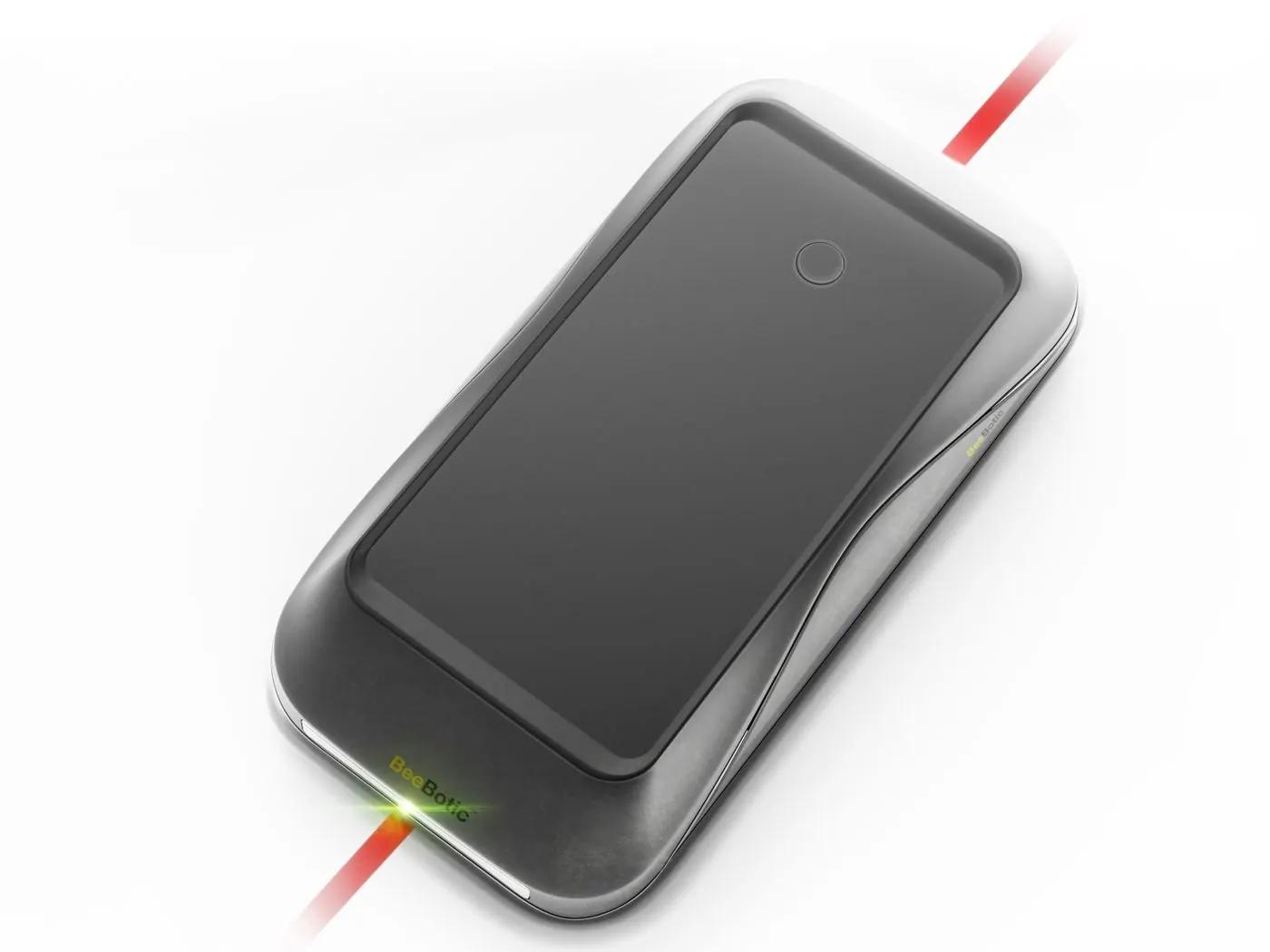
The AGV follows a flexible magnetic tape or markers placed on the floor. Moving a route means moving the tape and updating the map in the operations software.
Charging works on opportunity. When the battery runs low, the AGV goes to a charging point between jobs, so there are no long scheduled stops and the fleet can run 24 hours a day.
Built in
Runs around the clock with little or no human supervision.
When the battery runs low, the AGV charges itself and carries on.
Carries or tows anything in that range, depending on the model.
Obstacle sensors and triggers all around the vehicle keep people and goods safe.
Each AGV reports its status and location through the Heartbeat system.
Jobs can come straight from your ERP or warehouse management software.
Reprogram paths, add stations and build workflows yourself.
Many AGVs share the same routes without colliding.
Specifications
Each AGV is configured for the site, so exact figures depend on the model and attachment. Ask us for the spec sheet for your application.
| Payload | 100 kg to 1,500 kg |
|---|---|
| Navigation | Magnetic tape or floor markers |
| Operation | Up to 24 hours a day |
| Charging | Automatic opportunity charging |
| Attachments | Tow hook, scissor lifter, robot arm mount, carry deck |
| Safety | Obstacle sensors and triggers around the vehicle |
| Connectivity | Heartbeat system (IoT) |
| Integration | ERP and WMS through the operations software |
| Design life | 10 years or more with the Lifetime Service Program |
An AGV, or automated guided vehicle, is a driverless vehicle that moves materials along a set route. It follows a guide such as magnetic tape or floor markers, stops at stations, and can tow carts, lift loads or carry them on a deck.
An AGV follows a fixed guide on the floor, so its routes are predictable and easy to plan around people and equipment. An autonomous mobile robot (AMR) builds its own path using sensors and maps. AGVs suit repeatable routes in factories and hospitals; changing a BeeBotic AGV route means moving the tape and updating the map in the software.
Our AGVs carry or tow loads from 100 kg up to 1.5 tonnes, depending on the model and attachment.
The price depends on the load, the attachment, the number of AGVs, the route length and whether doors, lifts or your ERP need to be connected. We give a fixed quote after a site survey. Contact us with your load and route for an estimate.
No long stops. BeeBotic AGVs use opportunity charging: they top up at a charging point between jobs, so they can run 24 hours a day.
Yes. Through the Heartbeat IoT system the AGV can trigger automatic doors, call lifts, start conveyors and switch crossing lights on its route.
BeeBotic AGVs are designed for a service life of more than ten years with regular maintenance under our Lifetime Service Program.
Yes. Our AGVs work in Malaysia, Australia, New Zealand and the Netherlands. By 2018 we had sold more than 80 industrial AGVs to local and international clients.
Models