Books found, not bought again
Most books listed as missing are only on the wrong shelf. A nightly scan finds them, so you stop reordering titles you already own.

Library robots, Malaysia
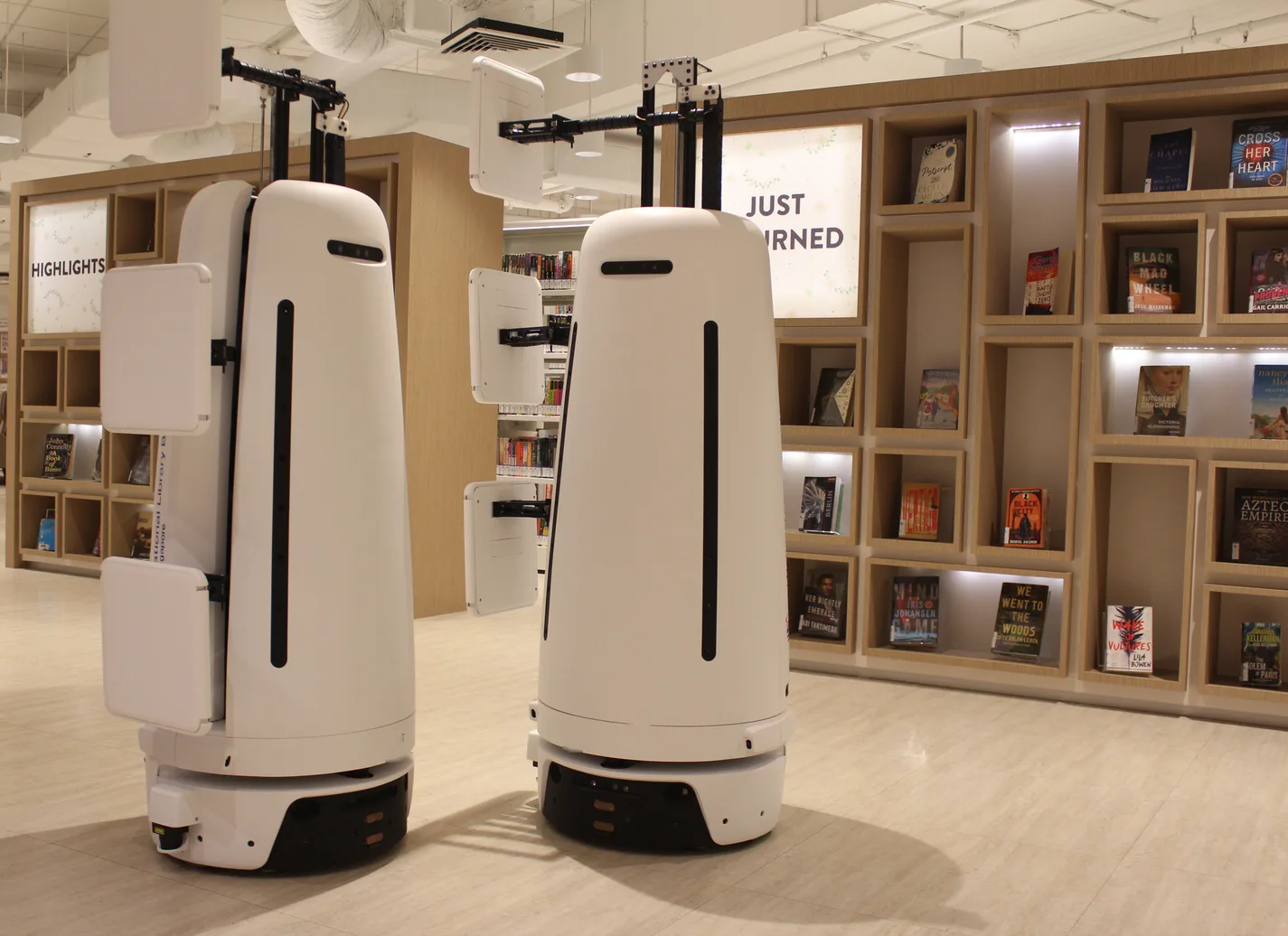
BeeBotic supplies, deploys and services shelf-reading robots for university, public and school libraries in Malaysia. After closing, the robot reads the RFID tag in every book. By morning your staff have a report of what is missing, what is misplaced, and the shelf it is actually on.



See it at work
Filmed in working libraries: the robot drives the aisles, steers around a bag left on the floor, keeps clear of readers, and reads every spine with its antenna arm.
How it works
After closing, the robot leaves its charger and drives each aisle, reading every tag at every shelf height.
By morning a report lists missing, misplaced and out-of-sequence items, shelf by shelf.
Staff go straight to the right shelf instead of reading the whole range.
Results
At the National Library Board Singapore, which uses the same robots, the hours spent keeping shelves in order fell by more than half once the robot took over the nightly scans.
Temasek Polytechnic's library director says the robot saves library officers 16 staff hours a day across its multi-level library.
Taylor's University Library is our Malaysian reference site. Ask us to arrange a visit.
Where it runs
The same robot has run in libraries since 2017, with more than 55,000 hours of operation. BeeBotic supplies it in Malaysia under the BeeBotic name and services it from Cyberjaya.
Why libraries automate
Most books listed as missing are only on the wrong shelf. A nightly scan finds them, so you stop reordering titles you already own.
A full inventory every few nights, with the library open and staff on the desk.
When the catalogue says a book is on the shelf, it is. Fewer failed searches and fewer complaints at the desk.
What's next
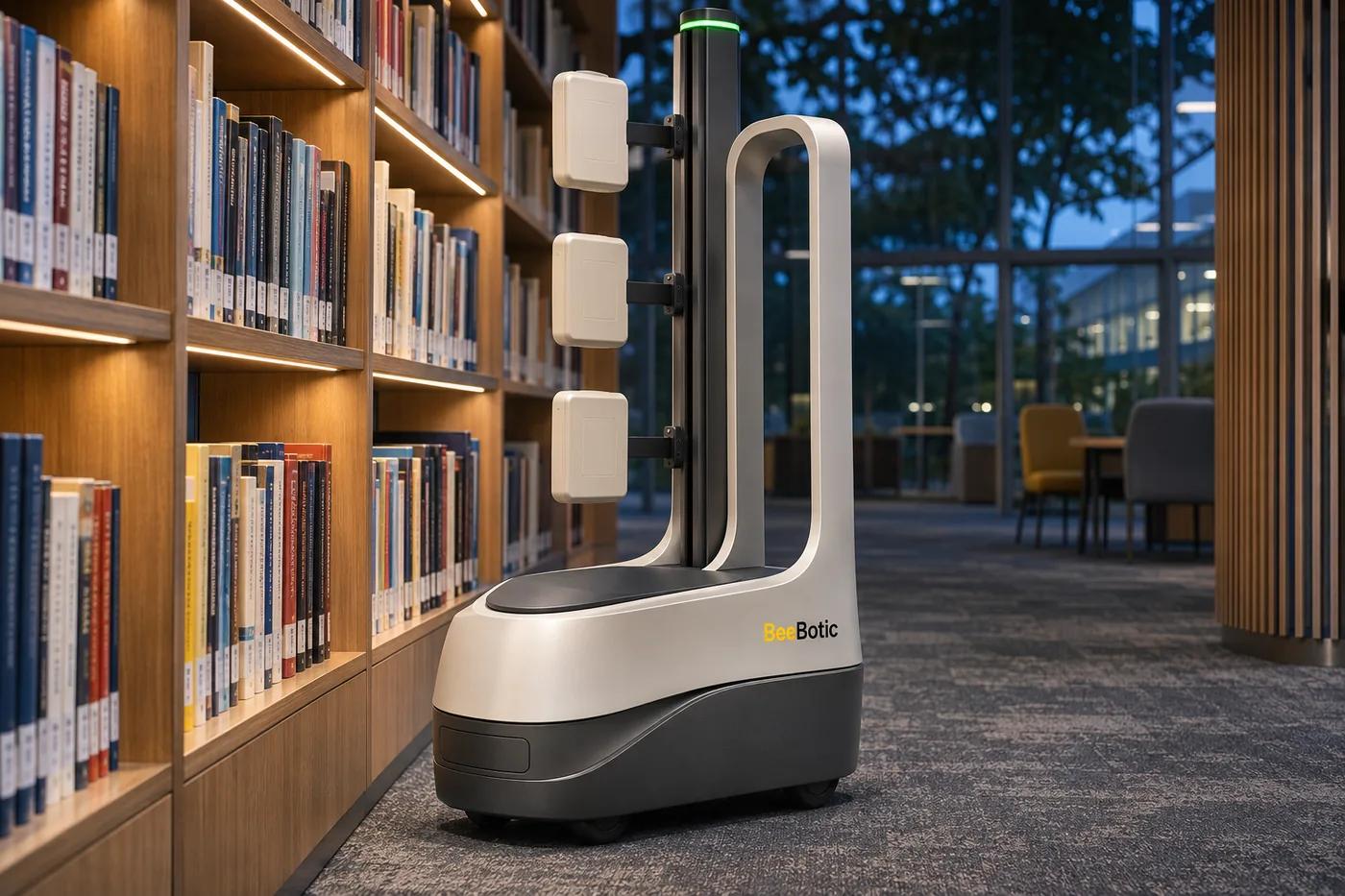
We are designing a BeeBotic casing for the shelf-reading robot: slimmer, with the antennas on a single mast and a matching charging dock. It keeps the same scanning hardware, software and local service. Until it ships, every robot is the current, proven design, and that is the design you buy today.
How a project runs
We walk the library, check aisle widths, floors, lifts and Wi-Fi, and test your RFID tags.
The robot maps each floor. We mark shelves, stations and no-go zones.
We connect the robot to your library system so results line up with the catalogue.
One floor for a few weeks, checked against a manual shelf read.
Training, preventive maintenance, repairs and spare parts from our Cyberjaya team.
A robot librarian is a robot that takes over routine library work. Ours reads the shelves: it drives the aisles after closing, reads the RFID tag in every book and reports which items are missing, misplaced or out of order. It supports librarians rather than replacing them.
Yes. The robot reads HF or UHF RFID tags, which most libraries with RFID self-check machines already have. We test a sample of your tags during the site survey.
Yes. We connect the robot to your library system, such as Koha, so the results match your catalogue.
BeeBotic does, from Cyberjaya. We deploy the robot, map the library, train your staff, and handle preventive maintenance, repairs and spare parts.
Yes. Most libraries start with one robot on one floor, check the results against a manual shelf read, then add floors.
We are designing a BeeBotic casing, planned for 2027, with the same scanning hardware, software and local service. Robots supplied before then are the current, proven design.
Other robots
Automated guided vehicles that tow, lift and carry 100 kg to 1.5 t.
Routes, jobs and traffic for a whole AGV fleet, linked to your ERP and WMS.
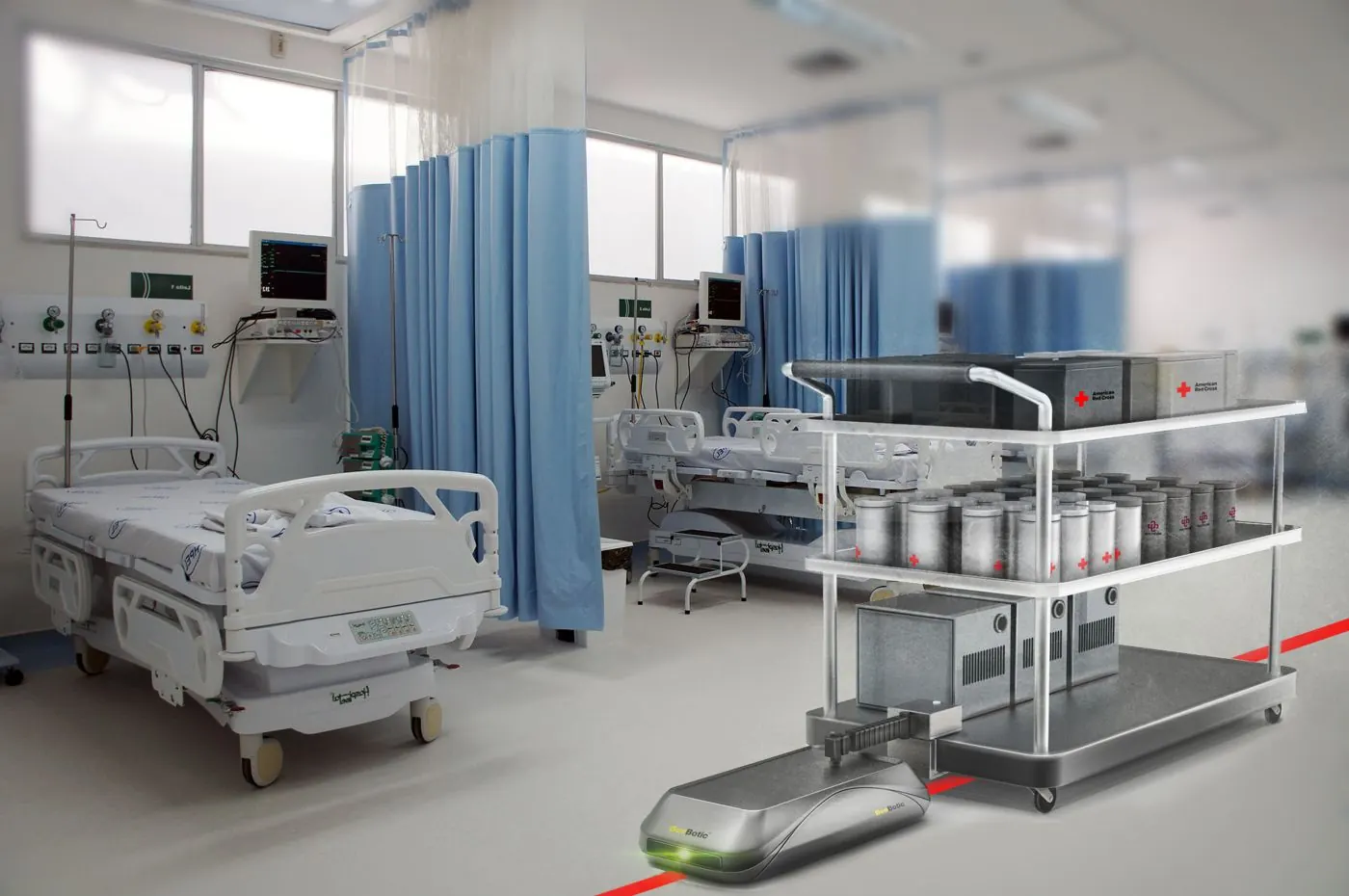
Meals, linen, medicines and supplies delivered between departments.
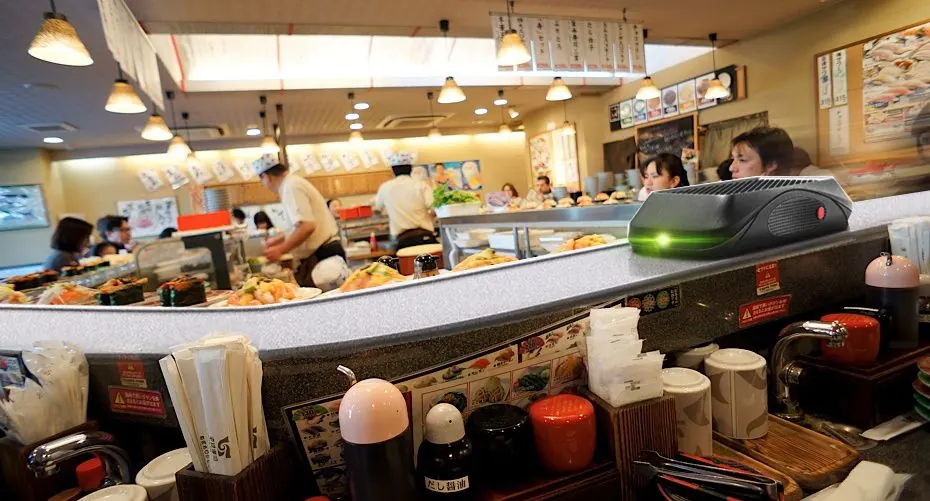
Robot waiters that carry orders from the kitchen to the table.