Robotics in Malaysia: where the industry is and where it is going
Robotics in Malaysia has moved from a few large factories to warehouses, hospitals and even restaurants.
Robot density: the numbers
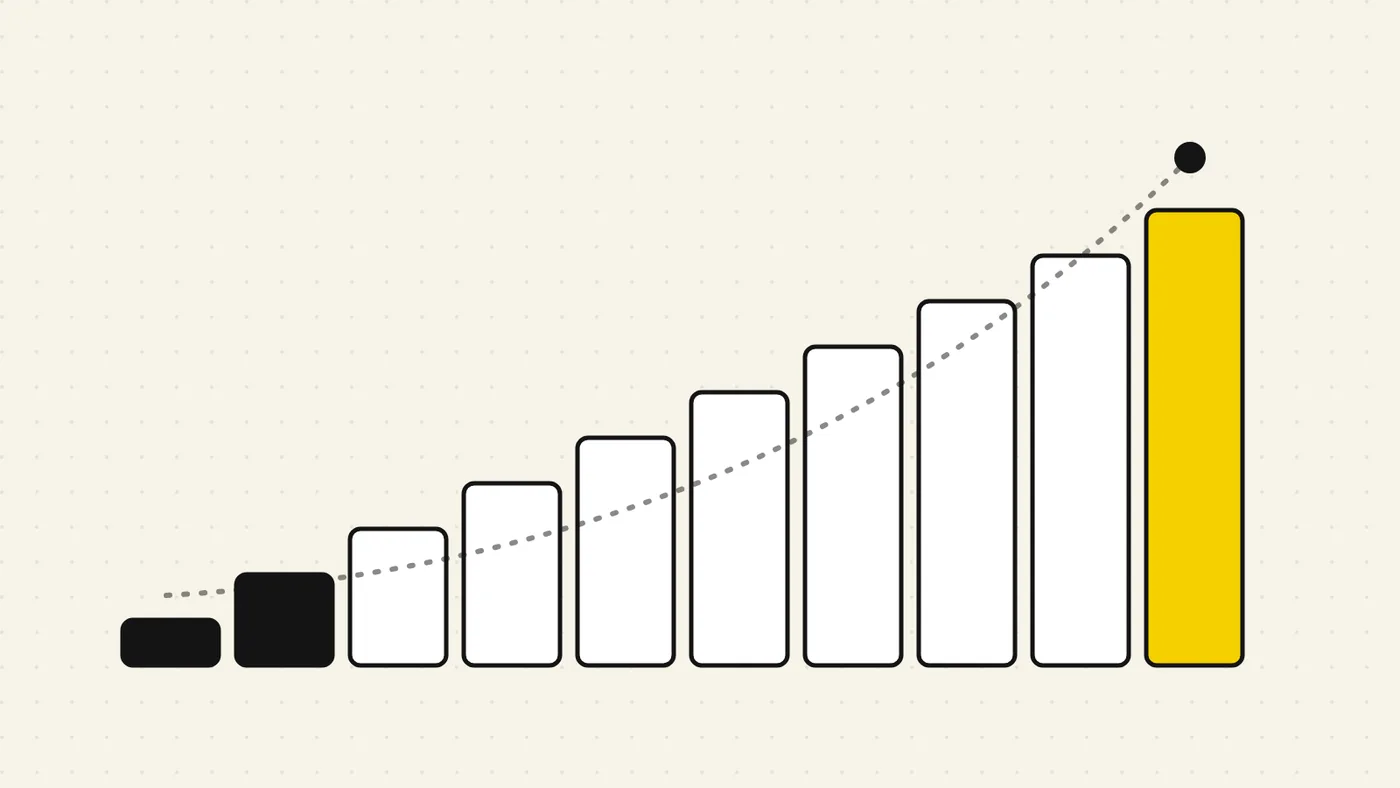
Robot density measures how many industrial robots a country uses per 10,000 manufacturing workers. According to figures cited by MIDA, Malaysia had 55 robots per 10,000 employees in 2019. The Malaysia Robotics Roadmap 2021 to 2030 sets a target of 195 by 2030.
The target is more than three times the 2019 level, so robot adoption has to spread well beyond the largest multinationals.
Where robots are used in Malaysia
- Electrical and electronics: the largest manufacturing sector, with robots for assembly, testing and handling.
- Automotive: welding, painting and assembly lines.
- Rubber gloves and medical products: high-volume lines with repetitive handling.
- Food processing: packing and palletising.
- Logistics and warehousing: AGVs, AMRs and sorters, driven by e-commerce growth.
- Healthcare: hospital robots for logistics.
- Food and beverage: robot waiters and delivery robots in restaurants and malls.
Two kinds of robots
Fixed robots such as robot arms and cobots work at one station: picking, placing, welding, packing.
Mobile robots such as AGVs and AMRs move things between stations. In many factories, the next step after automating stations is automating the movement between them. AGVs handle that movement.
What is holding adoption back
- Upfront cost, especially for SMEs.
- Skills: too few people who can integrate and maintain robots.
- Support: imported robots with slow access to parts and service.
- Uncertainty about where to start.
Why local robot builders matter
A robot is a long-term machine. Buying from a company that designs and builds locally has practical benefits: faster service, parts available in the country, engineers who can change the design for your site, and support in your time zone. BeeBotic designs, builds and services AGVs in Cyberjaya, and runs a Lifetime Service Program for every vehicle.
Government support
Automation is a national priority under Industry4WRD and NIMP 2030, and MIDA administers incentives for automation investment. Schemes change, so check mida.gov.my for current terms. See also Industry 4.0 in Malaysia.
Robots outside the factory
Robotics in Malaysia is no longer only about production lines. Delivery robots now work in restaurants and malls, hospitals are looking at automated logistics, and warehouses are adding AGVs and AMRs to keep up with e-commerce volumes. These service robots share a lot with industrial AGVs: fixed or mapped routes, safety sensors and fleet software.
Skills and careers
More robots means more demand for people who can install, program and maintain them. Mechatronics, electrical and software skills are all needed. For companies adopting robots, training in-house technicians is as important as buying the equipment, because quick fixes on site keep downtime low.
How to choose your first robot
- Start from the task, not the technology. Which repeated job hurts most today?
- Fixed station or moving? If the work happens in one spot, look at robot arms or cobots. If it is moving things around, look at AGVs.
- Check the support. Local engineers and spare parts matter more than brand names.
- Plan for data. Choose robots that report their status, so you can measure the result.
Our article on AGV vs AMR helps with the choice between mobile robot types.
Where to start
Pick one repeated, physical task that adds no value, measure it, and automate it with a connected system. For most companies, internal transport is the quickest win. Read factory automation in Malaysia: where to start, or talk to our team.
Frequently asked questions
How many robots does Malaysia have per worker?
Malaysia's robot density was 55 robots per 10,000 employees in 2019, according to figures cited by MIDA, against a 2030 target of 195.
Which Malaysian industries use the most robots?
Electrical and electronics and automotive manufacturing lead, with growing use in logistics, healthcare and food service.
Are robots made in Malaysia?
Yes. Local companies design and build robots and AGVs, alongside distributors of international brands.