What is an AGV? A plain guide to automated guided vehicles
An AGV, or automated guided vehicle, is a driverless vehicle that moves materials from one place to another along a set route. It does the trips a person would otherwise do with a trolley, a pallet jack or a forklift, and it does them the same way every time.
If you search "AGV" in Malaysia you will mostly find motorcycle helmets. This guide is about the other AGV: the robot vehicle used in factories, warehouses, hospitals and restaurants.
How an AGV works
Every AGV has the same basic parts:
- A drive base with motors, wheels and a battery.
- A guidance system that keeps it on its route.
- Safety sensors that slow it down or stop it when something is in the way.
- A controller that knows the route, the stations and what to do at each one.
- A top module that handles the load: a tow hook, a lifter, a conveyor or a flat deck.
The AGV gets a job, for example "take this cart from stores to Line 2". It drives the route, stops at the station, hands over the load and waits for the next job. Jobs can come from a call button, a timetable, an operator or a system such as your ERP or WMS.
How AGVs are guided
An AGV follows a physical guide on or around its route. The common options are:
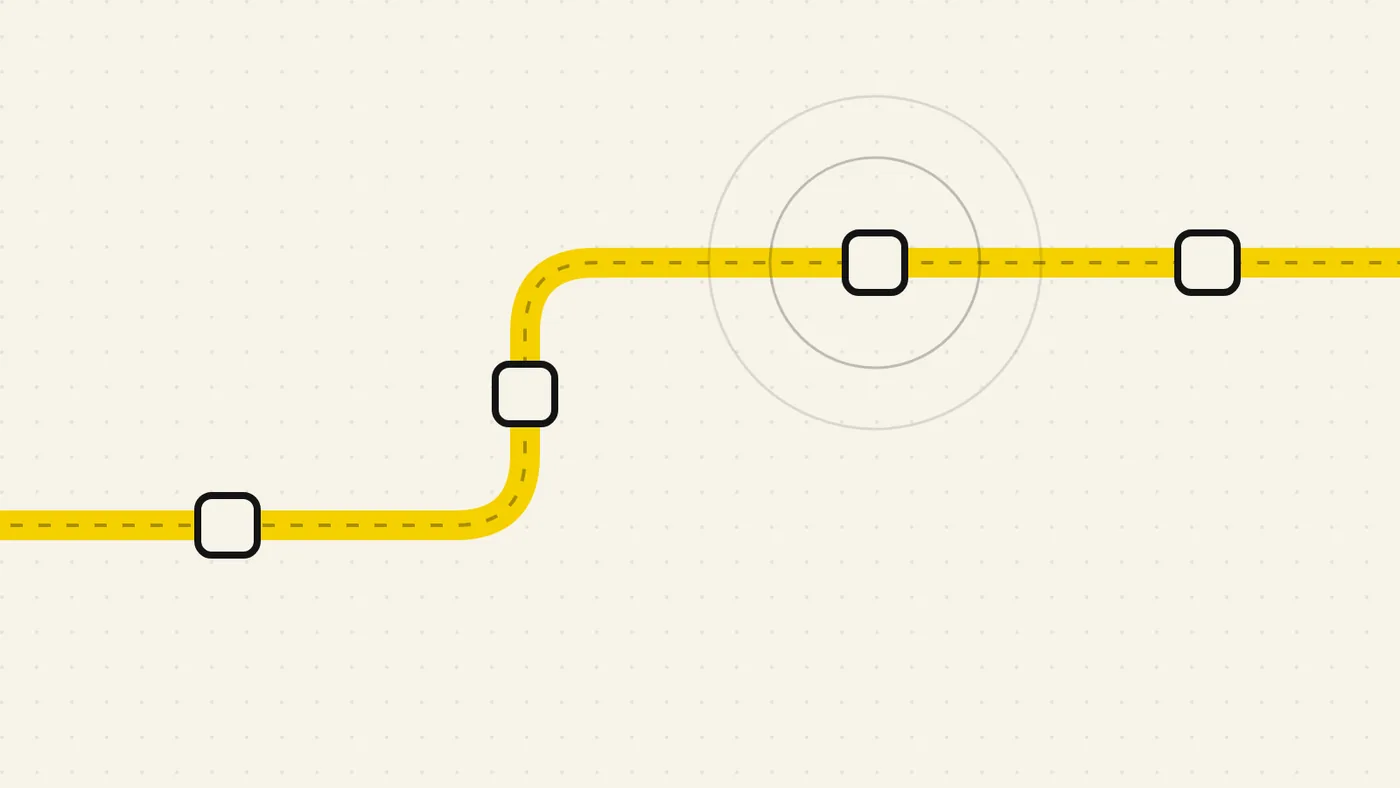
- Magnetic tape stuck to the floor. It is cheap, quick to install and easy to move when the layout changes. This is what BeeBotic AGVs use.
- Floor markers such as magnetic spots or QR codes, read as the AGV passes.
- Wires buried in the floor, common in older installations.
- Laser guidance with reflectors on walls and columns.
Because the route is fixed, an AGV is predictable. People on the floor know where it will go, and you can plan doors, crossings and stations around it. Robots that plan their own paths are called AMRs; we compare the two in AGV vs AMR.
The main types of AGV
AGVs are usually described by what they do with the load:
- Tow or tugger AGVs pull one or more trolleys. They suit hospitals and line-side supply, because you can keep using the carts you already have.
- Lifting AGVs drive under a cart or pallet and lift it, or raise the load to a rack or workstation with a scissor lifter.
- Conveyor-top AGVs have rollers on top and transfer loads to and from fixed conveyors.
- Carry or deck AGVs have a flat top for boxes, trays and bins.
- Forklift AGVs are driverless forklifts for pallets.
BeeBotic AGVs use one modular base with different top modules: tow hook, scissor lifter, robot arm mount or carry deck.
Where AGVs are used
Factories. Parts from stores to the line, empty bins back, work in progress between processes and finished goods to dispatch. See AGVs for factory automation.
Warehouses. Moving goods between receiving, storage, picking and dispatch. See our warehouse automation guide.
Hospitals. Meals, linen, medicines and supplies between departments, using lifts and automatic doors. See hospital robots.
Restaurants. Food delivery robots and robot waiters carry orders from the kitchen to the table. See restaurant robots.
Charging
Most modern AGVs use lithium batteries and charge between jobs. This is called opportunity charging: whenever the AGV has a few minutes free, or the battery drops below a set level, it goes to a charging point. Done well, the AGV never needs a long scheduled stop and can run 24 hours a day.
Safety
AGVs share space with people, so safety is part of the design. Typical features are obstacle sensors at the front and sides, bumpers that stop the vehicle on contact, emergency stop buttons, warning lights and sounds, and lower speeds in busy zones. Crossings with forklifts can be managed with traffic lights that the AGV system controls.
Where AGVs fit best
An AGV is at its best on repeated trips along known routes: the same stations, many times a day. It is less suited to work where every trip goes somewhere new, or where the floor layout changes daily. For those jobs, look at an AMR or at a mixed fleet.
AGV terms you will hear
- Station: a stop on the route where the AGV picks up, drops off, charges or waits.
- Payload: the weight the AGV carries or tows.
- Cycle time: how long one full trip takes, including loading and unloading.
- Fleet manager: the software that gives jobs to AGVs and keeps them from blocking each other.
- I/O: inputs and outputs, the signals that let an AGV open doors, call lifts or start conveyors.
- Opportunity charging: short top-up charges between jobs instead of one long charge.
A worked example
Take a factory where two operators spend most of each shift taking parts from stores to three assembly lines and bringing empty bins back. That is roughly 60 round trips per shift, over three shifts.
One tow AGV pulling a short train of carts can cover that route on a timetable, with call buttons at each line for extra deliveries. The operators move to assembly work, the lines get parts at a steady pace, and supervisors can see every delivery in the software. The AGV charges for a few minutes at stores each time it waits for loading.
Questions to ask before you buy an AGV
- What is the heaviest load, and how is it carried today?
- How many trips per hour at the busiest time?
- Are there doors, lifts, ramps or forklift crossings on the route?
- Who will call the AGV: a timetable, a button or a system?
- Who maintains it, and how fast can a technician come?
Our guide to choosing an automation company covers the supplier questions in more detail.
How to start
Count the trips first. Write down every regular material movement in your site: from where, to where, how heavy and how often. The routes with the most trips are usually the best first AGV project. Then check the route itself: floor condition, doors, lifts, ramps and crossings.
If you want help with that list, send it to us and we will suggest which trips an AGV should take over first.
Frequently asked questions
What does AGV stand for?
AGV stands for automated guided vehicle: a driverless vehicle that moves materials along a set route.
How is an AGV guided?
Most AGVs follow a guide on the floor, such as magnetic tape, floor markers or wires. Some use lasers and reflectors on walls.
What can an AGV carry?
Anything from small totes to heavy pallets. BeeBotic AGVs handle 100 kg to 1.5 tonnes depending on the model.